
Deprecated: Function get_magic_quotes_gpc() is deprecated in /home2/ibserfav/public_html/wp-includes/formatting.php on line 4387
The Psychology Behind Table Game Decisions
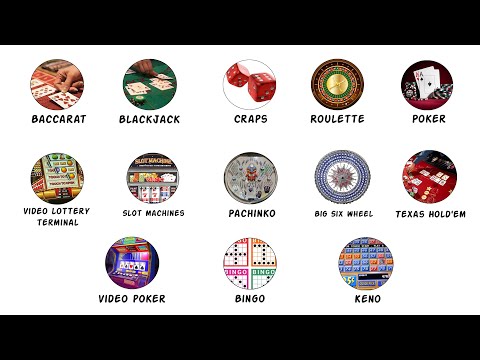
Top 20 Best Casino Games to Play Right Now
Despite popular belief, nearly all casino games are mathematically designed to give the house a long-term edge, meaning players are statistically more likely to lose over time than win. Each game operates on a combination of random chance and fixed rules, with outcomes determined by random number generators or physical mechanics like dice, wheels, or shuffled cards. The primary benefit of playing is immediate entertainment and the potential for short-term monetary gain, though success depends entirely on luck rather than skill in most cases. To use casino games, a player simply selects a game, places a wager on a specific outcome, and awaits the result of the game’s random process.
The Psychology Behind Table Game Decisions
Table game decisions are heavily driven by cognitive biases and emotional states. Players often fall victim to the gambler’s fallacy, believing a losing streak makes a win “due,” which incorrectly influences their next bet. The illusion of control, such as choosing a specific slot machine or deciding when to hit in blackjack, creates false confidence. Near-misses on slot reels or roulette wheels trigger a dopamine response similar to a win, encouraging continued play. A common Q&A: “Why do players chase losses?” This occurs due to loss aversion, where the pain of losing feels stronger than the pleasure of winning, leading to riskier bets to “break even.” Emotional states like excitement or frustration directly alter decision-making, overriding rational strategies like basic blackjack charts.
How Cognitive Biases Shape Betting Choices
Cognitive biases directly warp betting choices in table games. The gambler’s fallacy convinces players that a red roulette outcome is « due » after a long black streak, prompting irrational bets. Confirmation bias causes bettors to remember their wins on a specific hand pattern while forgetting losses, reinforcing poor strategies. The illusion of control makes a craps player believe their throwing technique influences the dice, leading to oversized wagers. These distortions override objective probability, steering players toward statistically disadvantageous actions based on flawed mental shortcuts.
Cognitive biases shape betting choices by replacing rational probability assessment with distorted patterns of memory, perceived control, and false expectations of randomness.
Risk Assessment in High-Stakes Environments
In high-stakes environments, calculated risk vs. reward becomes your core survival skill. You’re constantly weighing the house edge against the table’s maximum bet, knowing one poor decision can wipe out your session. A smart player reads the table’s tension—if others are folding under pressure, the collective risk rises for everyone. You assess your own emotional toll, setting strict loss limits before the first chip hits the felt. Every hand feels heavier, but that’s the point: your judgment on when to push or pull back defines success.
Mastering the Art of Bluffing and Deception
Mastering the art of bluffing and deception in casino games hinges on reading opponents and controlling your own tells, particularly in poker. Bluffing succeeds when you accurately narrate a story with your betting patterns that contradicts your weak hand, forcing folds. Table image is critical; a tight player’s bluff carries more weight. Your timing and bet sizing must mirror a genuine value hand, avoiding predictable patterns. In games like three-card poker or baccarat side bets, deception applies less to opponents and more to obfuscating a pattern of wins to manage the casino’s heat. Never bluff weak tables where opponents call regardless of the board. Always maintain consistent body language and bet rhythms to avoid telegraphing intent.
Reading Opponents Without Words
In casino games, reading opponents without words is about spotting the tiny, involuntary tells that leak information. Watch for trembling hands during a big bet, sudden stillness after a weak hand, or darting eyes that avoid the pot. A player who exhales heavily before calling is often unsure, while someone suddenly sitting upright might be ready to bluff. These micro-expressions flash in less than a second, so you must train your gaze to catch them. Practice observing bet timing—a snap-call often signals strength, while a long pause can hide a pure bluff. This nonverbal poker read turns silence into your sharpest weapon.

A player’s body never lies as smoothly as their words; learn to read the silence at the table.
Timing Your Moves for Maximum Impact
In casino bluffing, strategic betting pauses create the illusion of a weak hand, inviting opponents to raise. Wait until the river card hits; a sudden, confident bet after hesitation screams « I just hit my draw. » If you act too quickly, your story feels scripted. Use silence to force reactions, then strike when their nerves crack.
- Count to three before calling a big bet to seem hesitant.
- Bet immediately on a scare card, like a third flush card, to suggest you made it.
- Slow down your breathing; a steady hand and delay make you look calm and dangerous.
Random Number Generators vs. Live Action
In casino games, Random Number Generators vs. Live Action defines the core experience. RNGs power rapid, solitary play in slots and digital table games, ensuring every card draw or reel spin is instantly and mathematically unique, perfect for quick decisions and high-frequency action. Conversely, live action uses a real dealer, real cards, and a tangible wheel, streamed in real-time to build trust and social atmosphere. The key trade-off is speed against immersion: RNG offers pure, isolated efficiency, while live play injects human unpredictability and table talk, changing how you strategize and engage. Your choice hinges on whether you value the cold, lightning-fast precision of algorithms or the warm, organic rhythm of a physical game.
Trusting Algorithms in Digital Play
When engaging in digital play, a player’s trust hinges on the algorithm’s verifiable integrity. Unlike a live dealer, the provably fair algorithm allows you to audit each outcome post-spin by checking the hashed seed against the revealed result, confirming no manipulation occurred. A certified RNG ensures every round is independent, eliminating any memory of prior losses or wins. This mathematical transparency replaces human observation with cryptographic certainty, making the algorithm’s behavior the definitive anchor of fairness in a purely virtual environment.
Trusting algorithms in digital play requires accepting that cryptographic verification of randomness, not visual testimony, constitutes the evidence of fair play.
Why Physical Dice and Cards Still Thrill
Physical dice and cards deliver a tangible, irreversible outcome that digital numbers cannot replicate. The tactile engagement of live action creates a psychological stake; watching a die tumble or a dealer reveal a hole card builds anticipation through visible physics. Unlike RNGs, where results appear from code, a roulette ball’s chaotic bounce or a card’s slide from the shoe offers verifiable randomness you can witness. This sensory feedback deepens player immersion, making each roll or draw feel earned, not algorithmically generated.
Bankroll Management Strategies for Longevity
For longevity in casino games, strict bankroll management strategies for longevity are non-negotiable. Always divide your total funds into smaller session stakes, never risking more than 1–2% of your entire bankroll per bet. This disciplined approach protects you from devastating downswings. Set a hard loss limit for each session; once reached, walk away immediately. Similarly, cap your winnings to secure profits, preventing the temptation to chase larger payouts. Proper staking methods, like flat betting, stabilize your play and avoid emotional decisions that drain funds. By prioritizing capital preservation over short-term wins, you transform casino games from a gamble into a controlled, sustainable activity that extends your playtime significantly.
Setting Limits Without Killing the Fun
Setting limits is about staying in control, not about ruining the vibe. Instead of a hard stop, try time-based loss limits—decide your session length before you spin.
- Pick a loss cap that stings but won’t spoil your night.
- Set a win target (like +50%) to lock in profits.
- Use a separate “fun fund” so your bills never feel the heat.
A limit only kills fun if you treat it like a punishment—it’s actually your ticket to play again tomorrow. A smart cap lets you enjoy the rush without waking up to regret.
The 80/20 Rule in Wagering Patterns
The 80/20 Rule in Wagering Patterns posits that 80% of your bankroll growth comes from 20% of your wagers—specifically those with the highest probability edges. Focus your heavier bets on low-variance, near-even money opportunities in games like baccarat or blackjack, while restricting 80% of your bets to minimal, exploratory units. This ensures longevity by preserving capital during inevitable losing streaks. Edge-weighted wagering prevents reckless chasing. Q: How do I identify that crucial 20% of bets? A: Track outcomes; the 20% are any wager where house edge drops below 0.5% or odds slightly favor statistical patterns you’ve validated over 100+ rounds.
Cultural Variations in Wagering Traditions
In East Asian casinos, the number 4 is often avoided in table layouts and hand signals, while 8 is heavily favored, influencing betting patterns in Baccarat and Sic Bo. Western roulette players, by contrast, frequently engage in superstitious « chip dumping » around lucky numbers. Middle Eastern high-rollers might emphasize communal, slow-paced play on Punto Banco, viewing the wagering act as shared entertainment rather than individual risk.
Understanding these traditions means realizing that a player’s approach to a card or dice game is often shaped more by ancestral taboo than by probability.
In Macau, the act of physically stacking chips in specific amounts (e.g., 88 units) is a performative ritual of prosperity, a stark contrast to the logic-based betting progressions seen in European Blackjack circles.
Asian-Inspired Alternatives to Western Norms
In Asian gaming zones, traditional dice games like Sic Bo and Pai Gow Poker stand as direct alternatives to Western roulette and blackjack, offering distinct mechanics that shift player focus toward pattern recognition and symbolic luck. Baccarat variants such as EZ Baccarat remove the commission charge common in Western tables, while Fan-Tan’s counting-based betting replaces the spin-and-wait dynamic of slot machines. These games prioritize ritualistic decision-making—players often select numbers based on lunar calendars or fortune sticks rather than statistical odds. For those seeking a break from Western norms, these alternatives provide deeper cultural engagement and tactile interaction through chip placement on intricate betting layouts rather than passive digital screens.
| Western Norm | Asian Alternative | Key Shift |
|---|---|---|
| Roulette wheel spin | Sic Bo dice cup | Random outcome vs. predictive pattern betting |
| Blackjack card count | Pai Gow tiles | Rank math vs. symbolic hand rankings |
| Slot machine reels | Fan-Tan button-pulling | Passive play vs. active counting |
European Preference for Skill Over Luck
European wagering traditions often exhibit a marked preference for skill-based casino games, as seen in the dominance of poker, blackjack, and baccarat over pure-chance games like slots. This cultural inclination stems from a desire to influence outcomes through strategy, probability calculation, and psychological reads, reducing reliance on random luck. For instance, decision trees in blackjack allow players to minimize the house edge via optimal play, while poker rewards long-term statistical discipline. Casual observation shows European tables are frequently packed with players debating odds, while slot machines receive less attention. This analytical approach contrasts sharply with regions favoring instant, luck-dependent wagers.
European gamblers generally favor skill-based wagering where player decisions meaningfully affect results, prioritizing strategy over random chance in games like poker and blackjack.
Mobile Optimization and Touchscreen Mechanics
In casino games, mobile optimization and touchscreen mechanics dictate how a player interacts with every spin and bet. Precise hit zones replace finicky buttons, ensuring a tap on a chip value or the spin icon registers instantly, avoiding costly misclicks during high-stakes rounds. Swipe gestures can control reels or adjust bet sliders with fluid, natural motion, reducing physical fatigue during extended sessions.
The tactile feedback of a haptic engine mimics the physical click of a lever or the vibration of a roulette ball drop, translating the sensory thrill of a land-based casino directly into the mobile experience.
Responsive layouts adapt button sizes dynamically based on device orientation, preventing accidental double-taps on critical controls like « Double Down » or « Split. » This seamless, fingertip-driven interaction ensures that split-second decisions in blackjack or rapid spins on slots remain as accurate as any desktop click, keeping the game flow uninterrupted.
Swipe-to-Play Features That Engage Users
Swipe-to-play mechanics turn waiting into a game by letting you flick cards or spin reels with a finger flick. A quick upward swipe initiates a slot spin, while a horizontal swipe moves through a blackjack hand. This gesture-based control builds a fluid and responsive touch experience, making every tap feel intentional. For interactive features, follow this simple flow:
- Swipe left or right to choose your bet size.
- Swipe up to spin or deal.
- Swipe down to cash out or reset.
Responsive Design for Seamless Transitions
Responsive design for seamless transitions in casino games ensures that interface elements like virtual reels or card tables fluidly resize and reorient between portrait and landscape modes without losing game state. This eliminates jarring layout shifts during play, maintaining constant touch-target accessibility. Cross-device layout coherence preserves the spatial relationship of buttons and game fields, so a tap intended for « Bet Max » never triggers a spin during the transition. Breakpoints are calibrated to keep critical controls within thumb range, preventing accidental inputs when switching from a phone to a tablet.
The Role of Side Bets and Progressive Payouts
In the dim glow of a blackjack table, a player slides a chip into the side bet circle, chasing a perfect pair that could triple their stack with a single flop. Side bets like these inject instant high-risk adrenaline into the core game, often offering payouts that far exceed the main wager’s odds. Meanwhile, a progressive payout can transform a casual slot spin into a life-changing moment—a single royal flush on a video poker machine might trigger a jackpot that compounds with every losing hand from hundreds of other players. Yet that same progressive meter often lures players into betting more than they intend, as the growing prize quietly reshapes their strategy from calculated risk to pure hope. Whether you are eyeing a suited pair in baccarat or the bonus wheel in Caribbean Stud, these features turn routine hands into narratives of potential windfall.
When Small Extra Wagers Change Odds
In many casino games, a small extra wager, like a side bet or progressive payout contribution, directly alters the game’s foundational odds. This secondary bet doesn’t just add a win condition; it introduces a new, independent mathematical probability that can degrade the overall return-to-player (RTP) percentage. For example, placing a dollar on a progressive jackpot side bet in blackjack changes the odds of your total wager by creating a separate, highly-negative expectation event, while the main hand’s odds remain unchanged. This split in probability means the cumulative house edge on your combined action is often higher than if you played only the base game.
| Wager Type | Effect on Odds |
|---|---|
| Base Game Bet Only | Standard house edge applies to entire stake; odds are predictable. |
| Base Bet + Small Extra Wager | Extra wager introduces a separate, often steeper house edge, skewing the total odds downward. |
Jackpot Accumulation and Player Psychology
Jackpot accumulation exploits the human tendency to overvalue low-probability, high-magnitude wins. The creeping counter fuels a cycle where players chase the next tier, ignoring that each incremental bet barely moves the meter. This amplifies the « near-miss » effect, as players see the pot grow and feel victory is imminent, despite odds worsening. Jackpot visibility directly fuels irrational persistence, making players stay longer and bet larger to stay eligible for the life-changing lump sum.

Jackpot accumulation manipulates decision-making by making rare, large rewards feel urgent and attainable, overriding logical bankroll management.
Live Dealer Interactions and Social Dynamics
In live dealer casino games, the social dynamics are fundamentally reshaped by real-time interaction with a human croupier via video stream. Players can send text messages or use chat features to engage the dealer, who often responds by name, creating a personalized experience absent from virtual slots. This direct communication fosters a shared excitement during key moments like a hand being dealt or a roulette wheel stopping, replicating the camaraderie of a physical casino. The dealer’s professionalism and ability to manage the game pace simultaneously with banter are crucial for maintaining a fluid, engaging session. Observing other players’ bets and chat comments further builds a temporary online community, where collective reactions amplify the thrill of each round, though the dealer remains the central figure directing the social flow and game integrity.
Chat Features and Real-Time Banter
The live chat window acts as the primary hub for real-time banter, allowing players to exchange quick quips with the dealer after a win or a loss. Typed messages often trigger verbal responses from the host, creating a conversational loop that mimics a land-based table. Players use the chat to call out lucky streaks, request specific side bets, or share reactions to close calls. This instant feedback loop can subtly influence a player’s next decision, as a dealer’s encouraging reply might prompt a higher wager. The banter remains contained within the session, rarely carrying over to the next round until a familiar face returns.
- Dealers frequently acknowledge player names in chat to personalize the interaction.
- Emoji use is often restricted by the software to keep banter focused on the game.
- Typing « split » or « double » in chat can trigger on-screen dealer actions in automated systems.
How Human Element Boosts Retention
The human element transforms a solitary game into a shared experience, directly boosting retention by fostering player loyalty. When a live dealer recognizes a returning player or engages in lighthearted banter, they create a social bond that automated games simply cannot replicate. This personal connection makes each session feel less like a transaction and more like a visit with a familiar host. Players stay longer and return more often specifically because of these genuine interactions, making personalized live dealer rapport a powerful tool for turning casual play into habitual engagement.
Exploring Non-Traditional Wagering Formats
Exploring non-traditional wagering formats in casino games shifts the focus from pure luck to strategic player involvement. Instead of standard bets on a slot’s payline, some venues now offer side-bets on mystery jackpot intervals or skill-based segments where your reaction time influences the payout. In blackjack, you might wager on the dealer busting at a specific card count, while electronic table games allow incremental micro-bets within a single hand. What is the most practical shift for a player? The answer lies in choosing formats that let you hedge risk—like conditional bets that pay only if a certain sequence occurs—turning a repetitive spin into a dynamic puzzle where you actively decide when to increase or decrease your stake based on live feedback.
Virtual Sports and Simulated Races
Virtual Sports and Simulated Races use algorithmic animation to generate rapid-fire contests, from motorcycling to greyhounds, all rigged by a random number generator for fair play. You pick a contender, watch a 3D replay, and settle wagers within minutes, bypassing real-world delays. Algorithm-driven outcomes ensure genuine unpredictability across every simulated event. How do these races differ from live sports betting? They remove weather, injuries, and track conditions, relying solely on coded probability. Thus, your edge rests entirely on spotting statistical patterns in the simulated stats. Perfect for quick, continuous action without seasonal breaks.
Lottery-Style Draws in Digital Rooms
In digital rooms, lottery-style draws ditch the scratch-off slip for instant-win mechanics tied to chat or game timers. Players grab tickets with in-room currency or points, and a random number generator picks the winner live. This turns a passive purchase into a social event, as chat erupts during the countdown. Instant-win draws often run back-to-back, keeping energy high without complex strategy.
Q: Can I influence my odds in a digital lottery draw? A: No, each ticket has an equal shot thanks to automated RNGs, so it’s pure luck—just grab more entries if the room allows bulk purchases.
Security Protocols for Fair Play Verification
Modern casino games use cryptographic hashing like SHA-256 to seal each hand or spin outcome before you play, letting you verify the result after the fact with a provided server seed. Independent auditors also inspect the provably fair algorithms behind random number generators, ensuring no tampering occurs mid-session. You can often manually check a game’s fairness hash yourself through the interface, though this requires a bit of trust in the pre-committed seed. This setup lets you confirm that no outcome was changed after your bet, keeping the game genuinely random.
Third-Party Auditing and Certification Marks
Third-party auditing and certification marks provide a verifiable layer of integrity for casino games by confirming that Random Number Generators operate without bias. Independent testing agencies evaluate game algorithms against strict mathematical standards, issuing certification marks of fairness like eCOGRA or iTech Labs seals upon passing. A clear sequence governs this process: first, the audit firm installs monitoring software to capture real-time game outcomes; second, they compare sample data against theoretical probabilities; third, they publish a compliance certificate for player access. These marks do not guarantee a win, only that the game’s odds match the stated return-to-player percentage.
- Select a game displaying a recognized certification seal on its interface or help screen.
- Verify the seal’s validity by checking the auditor’s public registry for that specific game title.
- Confirm the certificate’s expiration date to ensure the audit remains current.
Blockchain Transparency in Betting Records
Blockchain transparency allows players to independently cd33 verify every wager placed in a casino game, as each bet is immutably recorded on a public ledger. This eliminates doubts about result manipulation after a spin or round is completed, because the timestamped entry cannot be altered by the house. You can audit the exact sequence of your wagers against your game history to confirm immutable bet verification in real time. This direct access to raw betting data ensures your stake and outcome are accurately reflected without relying on operator reports.
- Every bet entry is cryptographically sealed, making post-game tampering detectable.
- Players can cross-reference their transaction hash with game-server logs for absolute clarity.
- Provably fair systems use these ledger records to prove random outcomes match your wager.
- Historical bet data remains permanently searchable for personal audit trail purposes.
Tournament Structures and Leaderboard Thrills
In casino game tournaments, the structure dictates whether you’re climbing a leaderboard for highest single win or for total accumulated points over a set period. Leaderboard thrills intensify with real-time updates, showing your rank shifting against opponents. You must adjust your bet size and game selection to match the format—aggressive play for high-score sprints or consistent volume for points-based events. Q: How do I win a multi-round leaderboard? A: Focus on steady, frequent play rather than chasing one massive jackpot to climb through cumulative scores.

Climbing Ranks Under Time Pressure
Climbing ranks under time pressure transforms a casual session into a high-stakes race where every decision is compressed. Players must prioritize rapid point accumulation by targeting games with the highest payout velocity, such as fast-paced slots or quick-deck blackjack variants. The fixed duration forces a shift from conservative betting to calculated aggression, as incremental gains cannot offset the rank threshold. A pre-defined ladder strategy—like increasing bets after each win tier—prevents paralysis while ensuring chip reserves last the entire window. This demands constant awareness of both the countdown timer and the leaderboard delta, prompting tactical sacrifices in bankroll safety for positional gains.
- Focus on games with sub-second spin or deal times to maximize volume within the limit.
- Allocate a separate time-pressure bankroll to avoid depleting your main balance on forced bets.
- Set mental checkpoints every 15 minutes to reassess whether to push harder or lock in position.
Rewarding Consistency Over Single Big Wins
In tournament structures, rewarding consistency over single big wins reshapes the player mindset by focusing on steady, incremental progress rather than chasing a solitary jackpot. This approach levels the playing field, allowing disciplined participants who accumulate small, frequent payouts to climb leaderboards ahead of those risking everything on volatile hands. By prioritizing regular engagement and calculated bets, you turn volatility into your ally, securing rewards through persistence. Q: How does focusing on consistency improve my tournament chances? A: It minimizes your exposure to ruin while maximizing leaderboard points across many rounds, making you a persistent contender instead of a one-round wonder.
Seasonal Promotions and Themed Events
For players, seasonal promotions and themed events transform standard casino games into fresh experiences. You might find a Halloween slot tournament with spooky multipliers, or a winter blackjack table offering extra comp points for snowflake hands. During these limited-run events, classic games like roulette or poker get a custom overlay—think holiday-themed dealer outfits or special bonus rounds tied to the season. These events often include exclusive leaderboards or scratch-card prizes that aren’t available during regular play. The practical trick is to check the casino’s event calendar and trigger the special rules; a St. Patrick’s Day promotion might award double loyalty points on green-number bets. Keep an eye out for game-specific event bonuses, like a summer poolside craps table with reduced house edge for the weekend. These aren’t just decorations—they change how you play and win.
Tying Pop Culture Moments to Play Sessions
Tying pop culture moments to play sessions transforms a standard game into a shared cultural experience. This involves synchronizing a game’s visual or mechanical elements with a specific film premiere, album drop, or finalé date. For instance, a slot might feature a temporary « Final Battle » bonus round launching exactly at the time of a superhero movie’s midnight release. To execute this effectively, follow a clear sequence:
- Identify the peak emotional window of the cultural event (e.g., the two hours post-finale airing).
- Trigger exclusive, time-limited pop culture bonuses (e.g., soundtracks or character wilds) only during that window.
- Display a countdown timer on the game UI to the event’s start, syncing the session directly to the real-world moment.
This anchors the player’s session to a specific, shared moment of pop culture hype, not just a generic theme.

Holiday-Themed Bonuses That Drive Traffic
Holiday-themed bonuses leverage limited-time events to create urgency and drive massive traffic. By offering a Christmas free spins bundle on festive slots or a Valentine’s Day deposit match with a love-themed multiplier, you directly tap into seasonal excitement. These promotions work because players crave exclusive, themed rewards that vanish after the holiday—like an Easter egg hunt for bonus credits or a Halloween treat bag with cashback. The key is thematic countdown bonuses that remind users the offer expires at midnight, compelling immediate action without seasonal gimmicks feeling generic.
What Exactly Are Casino Games and How Do They Work?
Understanding the Core Mechanics Behind Slot Machines and Table Games
The Role of Random Number Generators in Ensuring Fair Play
Key Differences Between Classic, Video, and Live Dealer Formats
What Features Should You Look for When Choosing a Game?
How Paytables, Volatility, and Return-to-Player Percentages Affect Your Play
Bonus Rounds, Free Spins, and Special Symbols: What Adds Real Value
